


















By D.G Makai
It has become necessary to clarify the nature of the crisis in Jos, because I keep seeing a lot of misunderstanding, misrepresentation, and outright mischief. I have written extensively on the Jos crisis over the years but let me give structural clarity to the three levels of crisis we’ve been experiencing in plateau State.
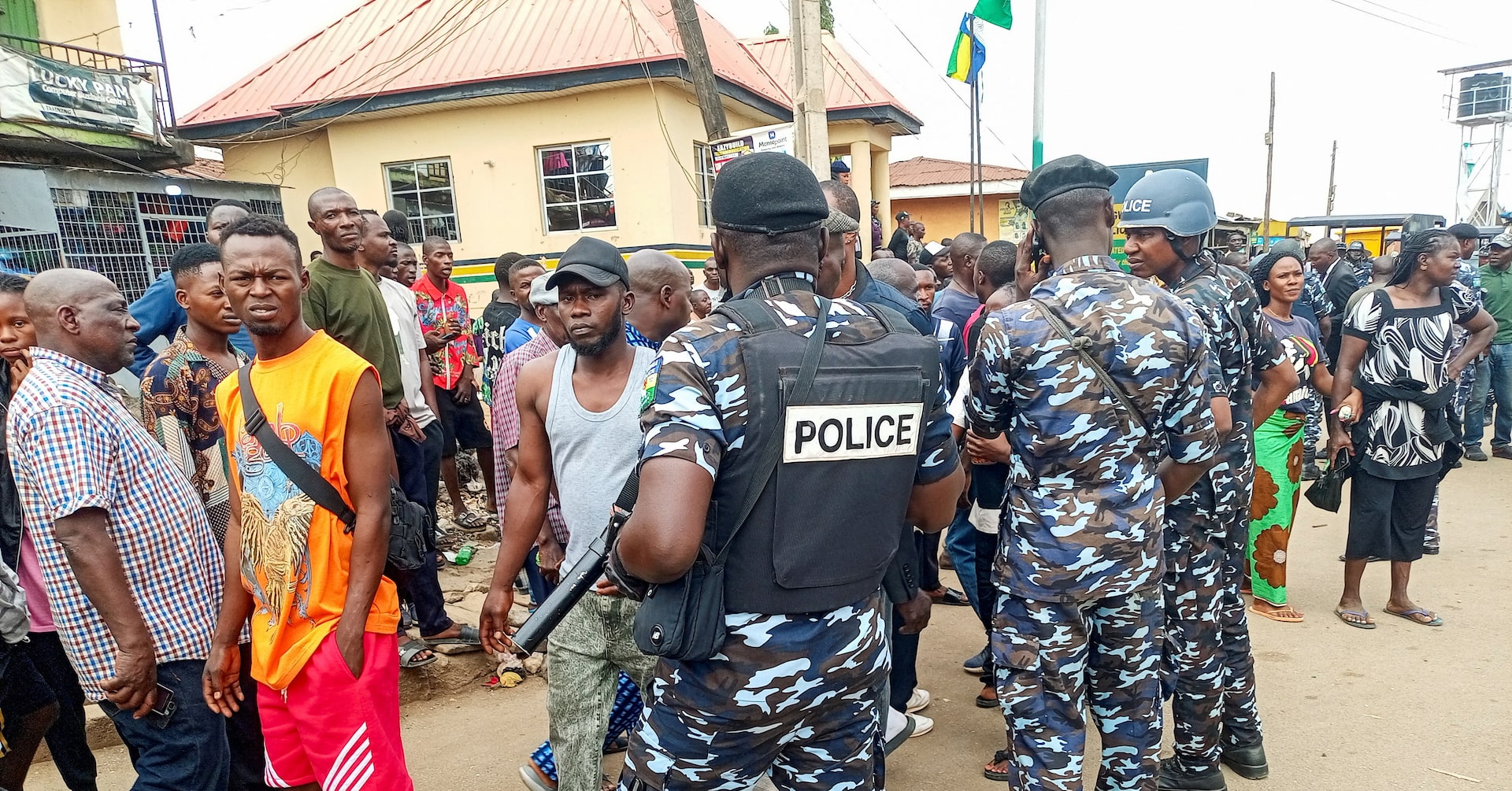
1) First, there is the Hausa–Muslim versus Christian native conflict, often framed as the settler /indigene crisis which largely began in Jos North and sometimes spreads to other parts of the state. In this case, people fight along ethno-religious lines.
This is the crisis I refer to as a fight among brothers; an in-house conflict. I so term it because the Hausa Muslims community in Jos are people whose forebears have been in Jos North for over a hundred years and have contributed in no small measure to the development of the state. It is mostly a conflict for political and economic interests that has been mismanaged over the years by leadership on both sides and both sides are guilty for the protracted nature of the crisis.
2) The second layer is the so-called herder–farmer clashes, where nomadic herders encroach on farmlands either mischievously or due to the gradual blurring of grazing routes by farming activities.
This type of conflict has existed for over a century, and I dare say every region in Nigeria has experienced it, thus, it is not peculiar to Plateau State. Historically, there have always been mediatory systems, where leaders from both the nomadic Fulani herders and the sedentary farmers come together to resolve disputes. They even developed methods for assessing compensation based on crops destroyed or eaten by their cattle, and life went on peacefully.
Yes, tensions sometimes rise and clashes occur, with casualties on both sides, but it has rarely posed an existential threat. So when people say we should be more accommodating, I ask them, do they not see Fulani herders still grazing peacefully on Plateau farmlands? Even after attacks on villages, you will still find Fulani moving freely and grazing since the crisis began in plateau state.
Make it a point, whenever you pass through Jos via Riyom, Barkin Ladi, Mangu, or along the Zaria or Bauchi roads, they are there. These are Fulani who have integrated well into their host communities and even speak our local languages.
I speak from personal experience. I once had a Fulani coordinator from Ganawuri when I campaigned for an elective office in 2006. During that period, I met several Fulani individuals who genuinely liked me, and we have maintained good relationships.
Sometimes, when I inform them of my plans to come to Jos, , they wait by the roadside to receive items they asked me to buy for them and occasionally they bring fresh fura da nono for me. My experience is not isolated; there is far more cordiality between locals and Fulani in Plateau than the conflicts you hear about. But that is understandable; bad news travels faster.
3) The third layer is not a conflict; it is an armed invasion. It must not be confused with the perennial Hausa Muslims versus Christians native tensions in Jos North, nor with the age-old herder–farmer disputes over grazing routes and farmland.
This is an entirely different ball game: a nefarious, inhuman, annihilative terrorist campaign against our communities. These attackers massacre and burn villages unprovoked. They kill innocent children, women, young and old, and defenseless men, many of whom are not even farmers.
They often strike at night, when villages are resting, or during the day when their intelligence suggests the coast is clear. You do not see them with cattle( even though some of them hide under the guise of cattle herding ). These are calculated attacks; planned in advance, with weapons procurement, logistics, and tactical command structures in place. It is a military-style invasion backed by intelligence gatherings. The locals are left completely at their mercy.
Unfortunately, this third category is still wrongly described by many as the Herder–farmer conflict. It is not. That would be like describing banditry in the North-West or terrorist activities in parts of Kwara as mere communal clashes, it is a dangerous mischaracterization.
As tragic as the escalation is, their spread into the South-West has at least begun to open some eyes. In the past, It is frustrating to read ignorant and arrogant commentaries from some writers from the south West and major media outlets who still label these acts as farmer–herder clashes, until, perhaps, recently, when it reached their own doorstep.
Sometime ago, when the NSA, Nuhu Ribadu, came to Jos after a bandit attack and termed it herder-farmer crises, I was incensed because I knew, he knew he was lying and misrepresenting the facts for some strange reasons. As NSA, he knew what was at the root of banditry on the Plateau and the country at large but was subtly using terms to invoke the age-long multifaceted crisis in the state to paint a picture of intolerant host communities. That was when i knew he was either deliberately avoiding responsibility or incapable of solving the Plateau crises.
Plateau state, just as other States in the country is at war, with a strong armed enemy, who has invaded, Burned and sacked over 60 communities in the state and occupied them in this age and time, within a properly constituted Nation state and nothing has been done to arrest the situation. Let the world know what is happening, we are largely a tolerant and accommodating society that have been invaded and overran by criminal elements who are grabbing our lands for its rich mineral resources and lush vegetation.
D.G Makai, a public affair analyst, hails from Plateau State.
Copyright © 2020 Totorinews.com All rights reserved. The information contained in Totorinews.com may not be published, broadcast, rewritten, or redistributed without giving due credit to Totorinews.com as the source.